
The Role of Cognitive Bias in Gambling
Cognitive biases significantly influence how players approach casino games. For instance, the illusion of control leads many gamblers to believe they can influence the outcomes of games that are purely chance-based, such as slot machines or roulette. This belief can result in players engaging with these games more frequently, convinced that their choices can lead to better outcomes. Some players may even seek out a casino not on gamstop to find less regulated gaming environments that promise increased excitement.
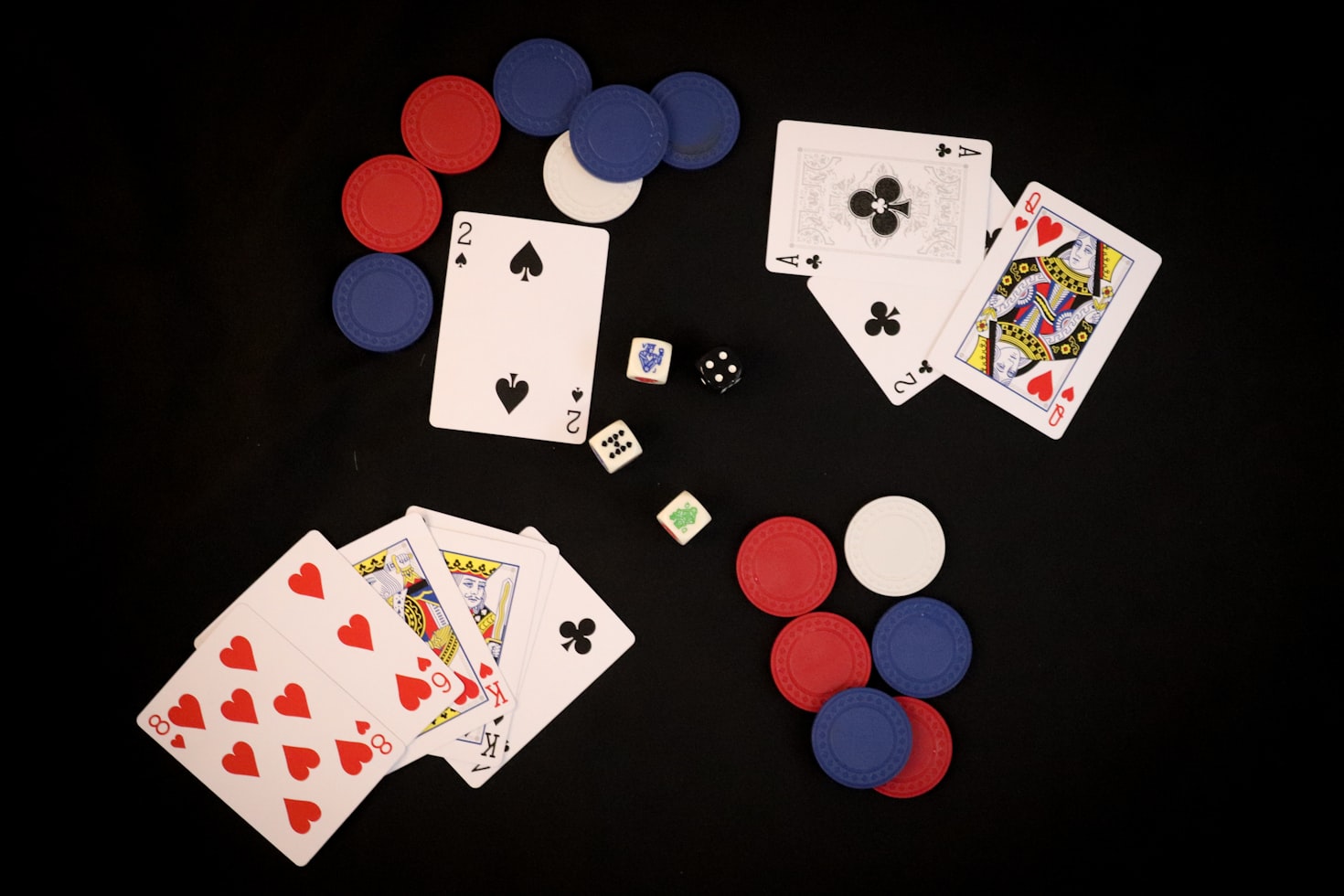
Additionally, the gambler’s fallacy is another prevalent cognitive bias. Many individuals believe that past outcomes affect future results, leading them to make irrational choices based on recent wins or losses. This psychological phenomenon can exacerbate the desire to continue playing, as players chase previous successes, hoping that luck will turn in their favor.
The Impact of Game Design on Choices
Casino games are meticulously designed to enhance player engagement, tapping into psychological elements that drive decision-making. Features such as bright colors, enticing sounds, and interactive elements are strategically employed to keep players invested in their gaming experience. This sensory stimulation can trigger emotional responses, making the game more appealing and leading players to make impulsive decisions.
Moreover, the concept of variable reward schedules plays a crucial role in game design. By offering unpredictable rewards, casinos can effectively maintain player interest. This randomness can create a cycle of excitement and anticipation, encouraging players to continue betting in hopes of hitting the elusive jackpot.
The Influence of Social Factors
Social influences also play a critical role in determining the kinds of casino games people choose. Many gamblers are swayed by the preferences and behaviors of those around them. For example, social interactions in a casino can create a sense of community, leading individuals to join others in popular games or betting strategies that they might not have chosen otherwise.
Additionally, the power of shared experiences cannot be underestimated. Celebrating wins or venting frustrations with fellow players can reinforce gambling behaviors, making certain games more appealing than they might be in isolation. Peer pressure and the desire for social validation can significantly impact game selections, often steering players toward trending options.
The Psychological Thrill of Risk-Taking
One of the most compelling aspects of gambling is the inherent thrill associated with risk-taking. For many, the excitement of potentially winning a large sum of money outweighs the fear of loss. This thrill-seeking behavior is often linked to personality traits that favor novelty and sensory experiences, motivating individuals to opt for high-stakes games like poker or blackjack.
Furthermore, the adrenaline rush triggered by taking risks can create a feedback loop, where the desire for this heightened state leads players back to the casino. The psychological reward gained from moments of risk-taking can overshadow the reality of potential financial losses, making the experience alluring and addictive.
Prioritizing Safety in Online Gambling
The online gambling landscape offers users a secure environment, safeguarded by advanced measures like Cloudflare’s security services. The paramount importance of online safety cannot be overstated, as players seek to enjoy their gaming experience without compromising personal information or financial security.
When exploring casino game choices online, players can focus on their experience without the worry of potential threats. Clear communication regarding access issues further emphasizes the commitment to user safety and ensures that players understand the protections in place. This secure online presence fosters a more enjoyable gaming atmosphere, allowing individuals to explore their gambling preferences with confidence.